
BMW AUTO REPAIR
Quality BMW Headlight

Nov
High-performance BMW headlight is much more than just a lighting component. It is actually a complex engineering system comprised of advanced optics, durable materials, smart electronics, and vehicle-specific design to maximize visibility, safety, and style.
Depending on which type is used in a BMW (halogen, xenon (HID), LED, or laser headlight), it is possible to install a genuine OEM BMW headlight. It is crucial to know something about BMW headlights in order to understand their benefits, the most common problems associated with their use, and the way to perform repairs.
The current guide aims to cover everything concerning BMW headlights with a particular concentration on OEM headlights. It includes information about technology diversity and potential failure points, some installation issues, as well as some tips for car owners that can be useful.
The importance of an OEM BMW Headlight
An OEM BMW Headlight has been manufactured, tested, and developed according to factory standards. This means that its beam pattern, light emission, housing design, and connection with the vehicle electronics match the original product. This level of precision is difficult to achieve with many aftermarket parts.
In case the headlight of a BMW is damaged or fails, some owners consider purchasing aftermarket parts at lower prices. Although there are low-cost options available, they are often lacking in important aspects. The beam may have the incorrect focus, causing low visibility or glare for other drivers.
The aftermarket headlight may not fit perfectly and cause problems such as water ingress and vibrations or gaps that do not make the car look very attractive. Certain features of the optical device may not work correctly as well, including adaptive control systems and others.
Choosing an OEM BMW headlight means solving most of these problems. The part has been made according to the original standards and matches the other systems of the car. For many drivers, it is a good idea to invest in safety and reliability.

The Different Kinds of BMW Headlight Technology
BMW has featured various lighting technologies throughout their different model years and lines of vehicles. Knowing about the type of the BMW headlight in your vehicle is necessary before making a replacement.
Older types of BMW vehicles and their lower trims have halogen BMW headlight systems. Halogen units represent the simplest case with the help of halogen bulbs contained in a reflector or projector housing. While being inefficient and having a short life span compared to the newer technologies, it still lights well if the optics are clear and it is properly functional.
The emergence of the xenon and HID BMW headlights in the 2000s and the early 2010s made this technology widespread. In such cases, high-intensity discharge lamps emitting bright white light are utilized. Various assemblies of xenon BMW headlights include automatic leveling and adaptive cornering, and the most common failures in their operation are related to ballasts, ignitors, and lamps.
LED headlights from the BMW company is now utilized in many new cars seen on the roads. The LED headlights are extremely bright and consume little energy while being durable and offering unique designs.
An LED BMW headlight comprises of various diodes, heat sinks, and lenses. It is often difficult to repair some of the components in LED BMW headlights, and it is usually more efficient to replace the whole headlight system in case of some significant malfunctions.
Some high-end cars and models released by the BMW company come with laser technology used in the headlights. These headlights provide unique features and some advantages in regard to performance. A laser-headlight requires specific knowledge in some cases to repair or replace it properly.
Anyway, the rule remains the same in the case of any technology: OEM BMW headlights work together with the other systems in cars and cooperate with them.
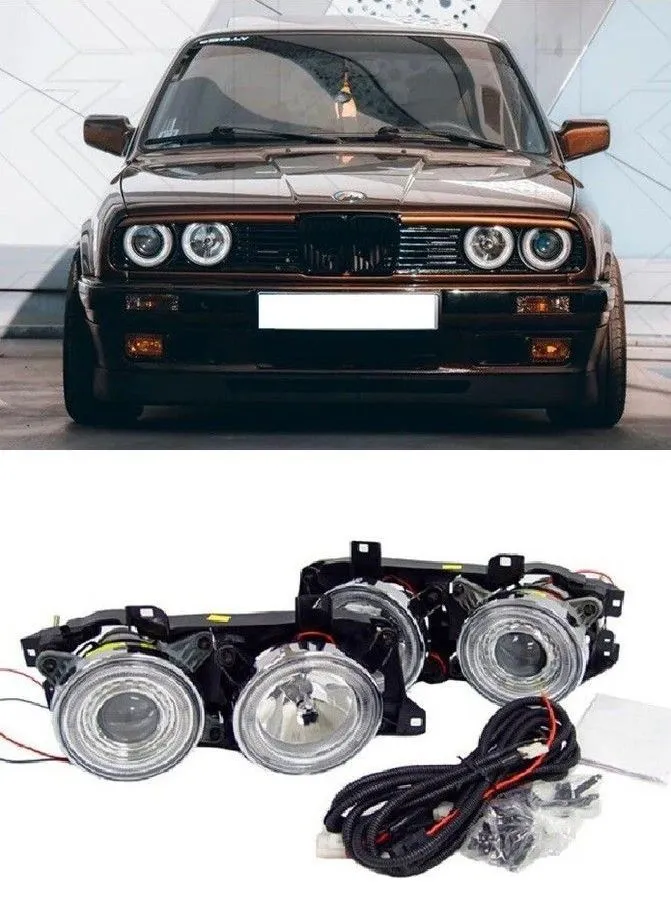
FAQs on BMW Headlight Issues
Different generations of the BMW headlight may experience the same issues.
The most common complaint is condensation and moisture inside the housing. Most times, changes in temperature, age of the seal, or small cracks may contribute to humidity getting inside the housing. Little condensation that can be cleared is considered normal. On the other hand, the presence of persistent moisture or a pool of water means that there is a seal failure. It is important to address moisture issues in this regard to protect the inner components of the BMW headlights.
Lens clouding and yellowing happens due to exposure to UV rays and debris on the road. A foggy lens leads to the decreased light output of an old bulb or a new LED. Although polishing can help fix some older BMW headlights, in many cases, a complete assembly would be needed to get appropriate results.
Another common problem regarding BMW headlight service is the failure of a bulb or diode. There is a limited lifespan of xenon and halogen bulbs. Even though LEDs generally have longer lifespan, they will fail at some point too.
Vehicles with adaptive leveling systems are vulnerable to issues that affect these features. If any of the sensors, motors or control modules are malfunctioning, warning lights may activate or the beams may not be at their appropriate levels. Prior to replacing the whole assembly in a BMW headlight, the issue needs to be diagnosed, because the real issue may be elsewhere.
Damage incurred from the road such as debris or accidents, or improper use of during other repairs can cause damage to the lenses or bodywork. Even small damage can compromise the integrity of the headlight and let in moisture.
Connection issues can replicate more serious problems.
Why an OEM BMW Headlight is the Right Choice
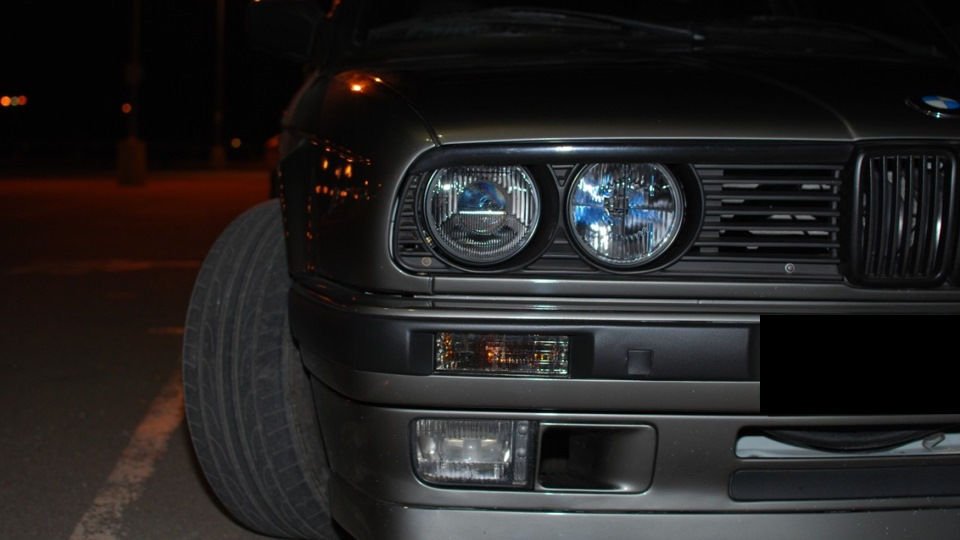
Choosing to purchase an OEM BMW headlight has several advantages.
The most obvious advantage of this choice is perfect fitment. Every component from the mounting points to the adjusters to the wiring connectors and sealing surfaces are exactly the same as the OEM part. This means the installation is quick and the possibility of leaks and rattles is nearly eliminated.
Ensured optical quality is another reason this option is clearly better. With an OEM headlight, you will be sure that the light pattern will meet the company’s standard designed specifically for this vehicle. This will guarantee that the headlight has perfect cutoff lines, intensity distribution, and focus, which will enhance the nighttime driving experience of the vehicle and will help avoid blinding effects on other drivers on the road.
With modern cars, full compatibility with the electronics is very important. All adaptive functions, automatic high beams, leveling systems, and communication with the vehicle’s lighting controls are carried out in the right way with the OEM headlight. An aftermarket accessory may not have this feature or the code it has may not work successfully.
The OEM parts have better quality materials and durability in comparison to non-OEM parts. They are specially selected and tested to be able to operate in severe conditions like exposure to heat, vibration, and other unfavorable conditions.
A lot of car owners pay lots of attention to how their vehicles look. Any OEM BMW headlight will preserve the appearance of the original vehicle. It will look the same in terms of the design, shape, and style of daytime running lights unlike the aftermarket lights that may have poor construction and decrease the aesthetic value of the vehicle.
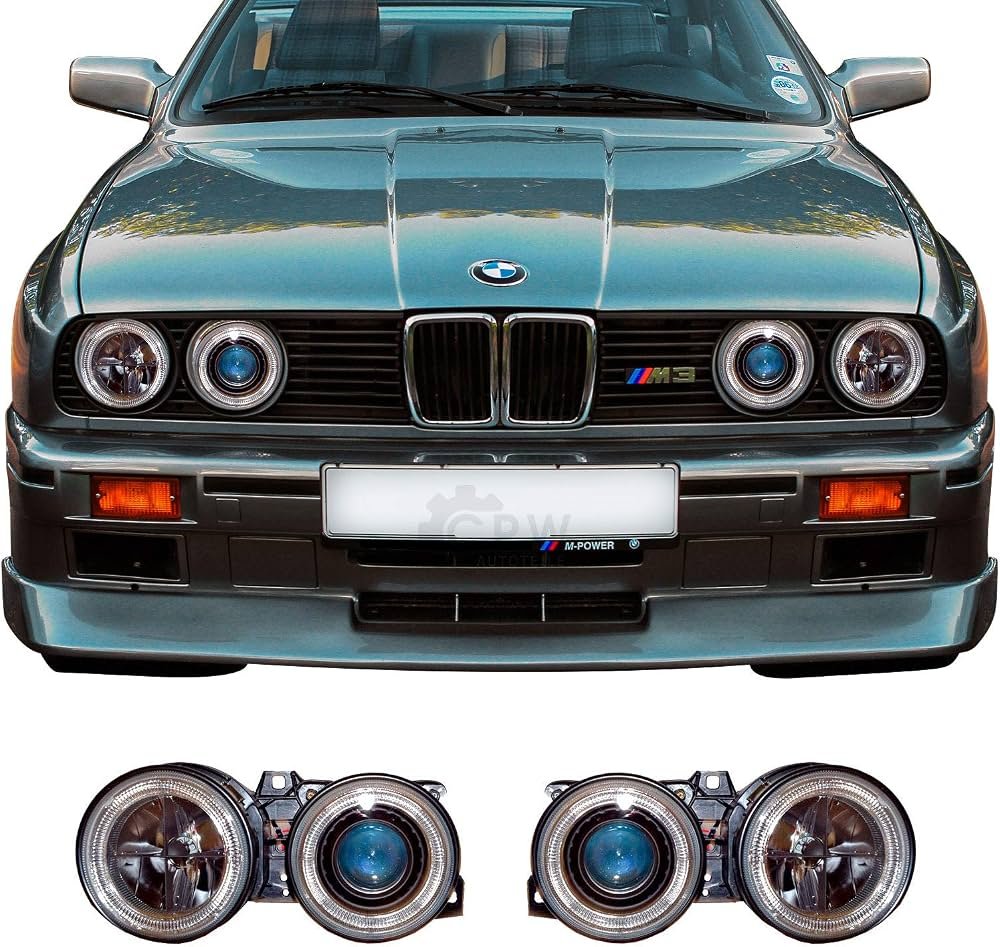
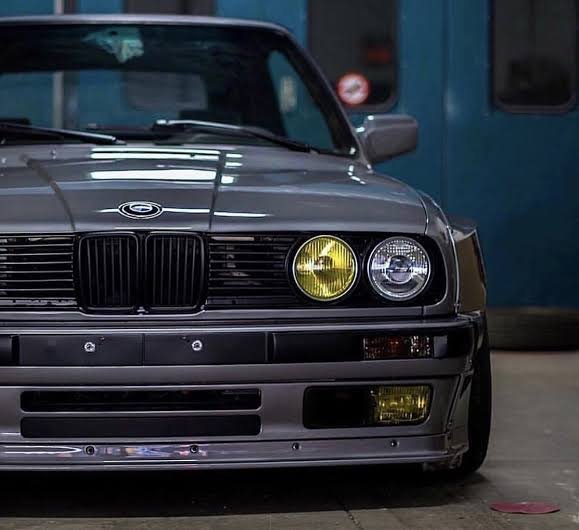
OEM BMW headlight choices and aftermarket options
You may find several aftermarket BMW headlight assemblies for your car in a variety of prices. Certain aftermarket alternatives of high quality can work well in a number of situations, especially when it comes to old models with hard-to-find or costly original parts. At the same time, quality varies greatly among aftermarket options.
Low-cost versions of aftermarket BMW headlights tend to lack proper beam focus, use inferior seals, thin plastics that become yellow quickly, and miss out on a number of electronic functions. In many cases, installation is difficult and premature failure problems arise. If you want to ensure that
you have reliable, safe-looking, and good performance BMW headlights then OEM BMW headlights are your best option.
If you want to use a non-OEM option, then you should do thorough research, check owner reviews regarding your particular model, and ensure that everything works well. Nevertheless, experts recommend that when it comes to vital safety devices, you should stick to the original OEM BMW headlight option.
Considerations for Replacement and Installation of BMW Headlight
Unlike the simple replacement of a sealed beam unit in an older vehicle, changing the headlights on a BMW is a bit more complicated. The assemblies in modern-day BMW vehicles are larger, heavier and frequently included in the surrounding body panels, sensors as well as the electrical systems of the vehicle.
It generally involves proper safety precautions before working on the vehicle, undertaking many models of removing the bumper cover or other parts, detaching the electrical connectors and transferring brackets or modules to be able to install the new BMW headlights. It also entails the aiming of the newly installed ones to ensure that they are accurately directed.
In case of wrong aiming of the newly installed headlights, they may fail to provide the needed visibility and may create problem with the glaring. Another thing to keep in mind is that the new BMW headlights require to be coded so that they communicate effectively with the vehicle as well as other installed headlights.
Tips for Maintaining BMW Headlights
There’s no way to avoid the wear and tear of time; however, there are some things you can do to make sure that the BMW headlights last for as long as possible.
Keep your lenses clean with proper automotive cleaners. Avoid using any kinds of abrasive materials that can scratch the surface of the polycarbonate. Regular application of UV protectant that is made especially for headlights can help slow down the yellowness.
Fix the moisture issue. If you notice condensation forming repeatedly, you should inspect the seals and housing to prevent corrosion or electrical issues developing inside the BMW headlights.
Check that the vehicle charging system and the battery are working properly because voltage irregularities can negatively affect the devices in the lighting system during prolonged use.


Legal and Safety Aspects Regarding the Changes Made to BMW Headlight
Various jurisdictions impose guidelines relating to the performance and installations of the headlights. An OEM BMW headlight is built to comply with the legal requirement of the vehicle at the time the vehicle is sold. If the headlights undergo major changes, or wrong bulbs are used or the aftermarket assemblies are poorly designed, the lighting system can cause legal complications and safety concerns whenever inspections or traffic stops occur.
The easiest way to remain compliant and ensure the best performance is to use the original or similarly constructed BMW headlight.
Cost Aspects and Long-Term Value
An OEM BMW headlight is more expensive than aftermarket alternatives and this higher price reflects the fact that a lot of efforts were made to design, build and test those lights in accordance with BMW strict standards. This is why if one analyzes the lifetime cost of ownership, the OEM option is often more reasonable since it reduces the chances of early failures, bad performance, or the need to replace the lights multiple times.
It is also important to take into account labor costs. It often takes less time to install the original
Final Thoughts on the Importance of Quality BMW Headlights
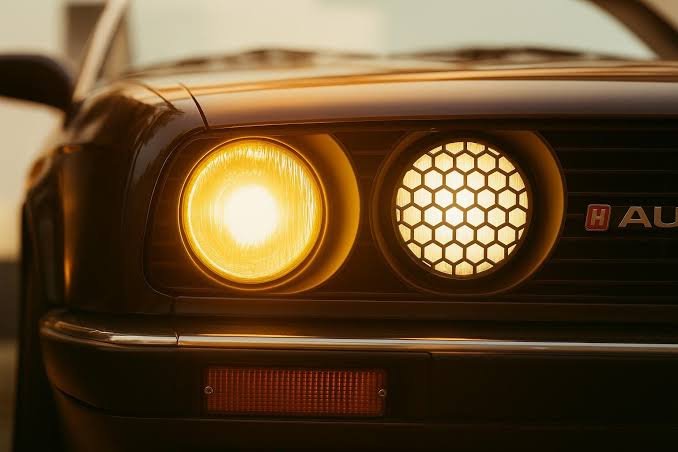
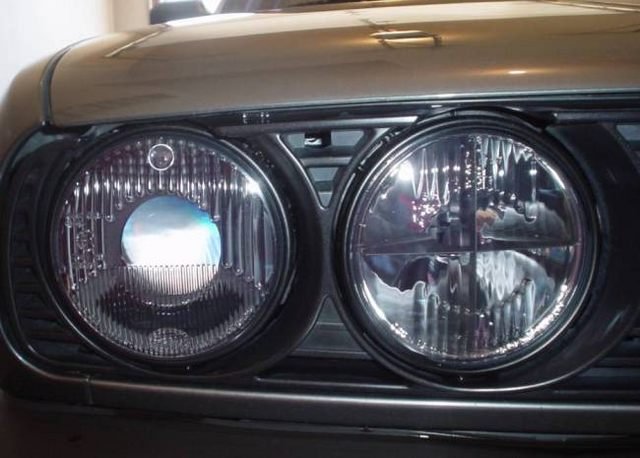
BMW headlights are essential equipment for safe nighttime driving and enhancing the looks of the vehicle. Choosing an original BMW headlight when one needs to be changed preserves the engineering value of the automobile, thus ensuring that it functions as BMW intended.
It is acknowledged that OEM BMW headlights have a lot of benefits such as beam precision, electronics integration, rugged construction, and the right appearance. Even though other alternatives exist, factory-grade parts are what most owners want for their safety and reliability.
Diagnosing an issue, choosing the right component, fitting, and maintaining the BMW headlight system properly will help BMW car owners enjoy trouble-free operation for years to come.
